
What to Expect During a Dolphin MPS Therapy Session?
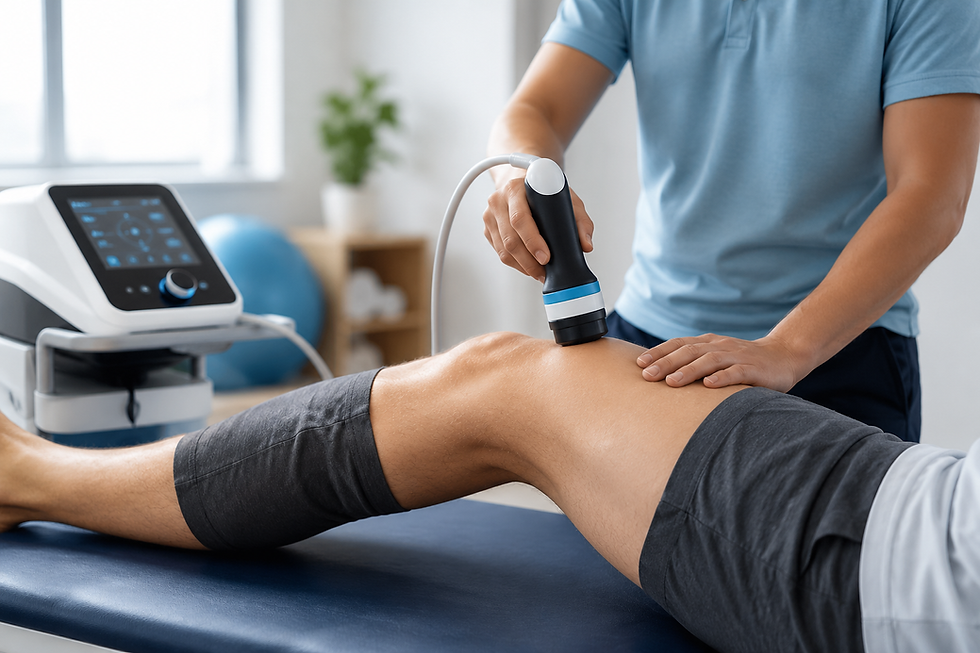
A lot of people show up for a therapy session thinking it will be all about pain, loud machines, or these complicated treatment steps. But most of the time the whole thing feels way calmer than expected, almost more quiet than people imagine. In a dolphin mps therapy session, you get gentle stimulation, muscle relief, and support for the body so it can address stress and pain patterns in a smoother way.
The treatment uses small electrical impulses on specific points across the body. Those signals help muscles relax and help the nervous system respond better. Many people choose this therapy for long-term pain, tight muscles, injury recovery, or stress-related body tension. The session stays simple, but the effects often feel deep and lasting.
At places like Fisher Therapeutics, therapists focus on understanding your pain patterns before starting treatment. That part matters because everybody reacts differently. A good session never feels rushed or random.
Understanding How The Dolphin MPS Therapy Works
Before the treatment begins, most therapists explain the basics in plain language. The process uses microcurrent point stimulation (MPS) to target points connected to nerves and muscles. Small electrical currents move through the treatment device. Those currents stay extremely low and gentle during the session.
The body already uses electrical signals naturally. This therapy works with those signals instead of forcing the muscles aggressively. Many people describe the sensation as tiny taps or soft pulses across the skin.
The therapist may also explain terms like microcurrent electrical stimulation and bioelectric stimulation during the consultation. Both methods support the body's natural recovery process. Sessions usually focus on reducing tension and improving movement without heavy pressure.
Your First Consultation Matters
A first appointment typically begins with questions about pain levels, injury history, movement limits, or general stress. The therapist may ask where the discomfort starts, and then where it tends to spread during daily activity. If you answer honestly, it really helps set up a better treatment plan.
The therapist also checks posture, muscle tightness, and movement patterns. Some people arrive with lower back pain. Others struggle with neck tension, headaches, shoulder pain, or old sports injuries. Every detail helps guide the session properly.
At Fisher Therapeutics, therapists often combine practical evaluation with a calm treatment environment. That balance helps people feel comfortable before the session even starts.
What Happens During The Session
Most sessions begin with the patient lying comfortably on a treatment table. Loose clothing usually works best because the therapist needs access to certain treatment points. The room often stays quiet and relaxing throughout the process.
Some sessions also include neuromuscular stimulation to help improve muscle response and body balance. The therapist adjusts settings carefully during treatment. Comfort always stays important throughout the process.
People usually feel one of three things during treatment:
Gentle tapping sensations
Small tingling feelings
Deep muscle relaxation
Pain rarely increases during treatment. Most people actually notice tension easing as the session continues.
Why Settings Matter During Treatment
Every therapy session requires proper adjustment. Therapists control different technical settings to match the patient’s condition and sensitivity level. These settings may include current intensity (microamps), pulse timing, and stimulation depth.
Some therapists also adjust frequency modulation depending on the treatment goals. Certain frequencies support muscle relaxation better, while others target nerve response more effectively.
Another important factor involves polarity settings. Positive and negative settings influence how the body responds during treatment. Skilled therapists understand how those changes affect recovery and comfort.
This process sounds technical at first. During the actual session, the experience still feels calm and simple for the patient.
Sessions Often Include Massage Techniques
Many clinics combine therapy with soft tissue work or massage methods. That combination helps loosen tight muscles while improving circulation and mobility. Some people searching for physical therapy in Knoxville services also explore this therapy for deeper pain support.
Massage techniques prepare the muscles first. Electrical stimulation then works more effectively across the treatment points afterward. This combination often feels smoother and more complete for people dealing with long-term pain.
Looking for a treatment plan that fits your pain recovery goals? Start your next session with Fisher Therapeutics today.
Common Conditions Treated
People seek this therapy for many different reasons. The treatment supports both physical recovery and stress-related muscle tension. Some common concerns include:
Neck and shoulder tightness
Lower back pain
Headaches and migraines
Scar tissue discomfort
Sports injuries
Joint stiffness
Muscle fatigue
Some patients also explore electrotherapy after physical strain from repetitive work or long sitting hours. Sessions usually stay short and manageable, which makes regular treatment easier for busy schedules.
How You May Feel After The Session
Many people feel lighter after treatment. Muscles often relax deeply, and movement sometimes feels smoother immediately afterward. Others notice gradual improvement over several sessions instead of an instant change.
Hydration matters after treatment because muscles and nerves continue adjusting for several hours. Mild soreness can happen occasionally, especially around tight treatment areas. That feeling usually fades quickly.
At Fisher Therapeutics, therapists usually explain aftercare clearly before the patient leaves. That guidance helps people feel prepared between appointments.
Consistency Creates Better Results
One session can help reduce tension or discomfort, but consistent treatment often creates stronger improvement. Chronic pain patterns build slowly over time. Recovery usually follows the same process.
Some patients schedule weekly visits first, then reduce frequency as symptoms improve. The therapist adjusts the plan based on progress and comfort levels during future appointments.
Certain sessions may also include waveform therapy to target deeper muscle response patterns. Those adjustments help personalize treatment without making the process overwhelming.
Conclusion
A dolphin mps therapy session usually feels calm, focused, and surprisingly gentle from beginning to end. The treatment combines modern stimulation methods with practical pain support and muscle recovery techniques. Most people leave feeling more relaxed, mobile, and aware of how tension affects the body daily.
The process stays simple for the patient, even when advanced therapy settings work behind the scenes. Clinics like Fisher Therapeutics help guide people through treatment with personalized care and realistic recovery goals.
Ready to feel more movement and less tension? Fisher Therapeutics helps you move comfortably again.
FAQs
1. What happens during a dolphin mps therapy appointment?
A typical dolphin mps therapy appointment starts with a discussion about pain areas, movement problems, and muscle tension. The therapist checks posture and physical discomfort before treatment begins. Small electrical pulses target specific points across the body during the session. Many people feel relaxed while their muscles slowly release tightness and pressure naturally.
2. Is microcurrent therapy painful during treatment?
Most people describe the treatment as gentle and calming throughout the session. The electrical stimulation stays extremely low and is controlled carefully by the therapist. Some people notice light tingling or tapping sensations on the skin surface.
3. How long does one therapy session usually take?
Most appointments last between thirty and sixty minutes, depending on the condition and treatment goals. Some sessions stay shorter for focused recovery work, while others involve more complete body treatment. The therapist explains the expected session length before starting the appointment. Regular visits often create stronger results for chronic tension and muscle discomfort over time.
4. Can this therapy work together with massage treatments?
Yes, a lot of clinics mix therapy with massage methods for better muscle recovery and relaxation. People looking for Therapeutic massage Knoxville services sometimes pick combined sessions because the body seems to respond more gently to both approaches at once. The massage part helps loosen tissue first, then the electrical stimulation supports deeper muscle and nerve recovery once the whole session is over.
5. Who usually benefits most from this treatment?
People dealing with muscle tightness, injury recovery, stress tension, headaches, or long-lasting pain often end up benefiting from this kind of therapy approach. Office workers, athletes, and physically active adults usually schedule regular sessions for movement support, sometimes even as a calm routine.



Comments